
Craig Equipment coordinates NFPA 660 Dust Hazard Analysis (DHA) for Kentucky and Southern Indiana manufacturers, from dust testing to installed protection. Based in Louisville and serving the region since 1985, Craig Equipment collects dust samples, sends them to a qualified laboratory for Go/No-Go screening and combustible dust testing (KSt, Pmax, MIE, MEC), and writes the DHA report and mitigation plan. It then quotes and installs the required controls: Donaldson Torit dust collectors, BOSS explosion venting, isolation and spark detection, and US Duct ductwork.
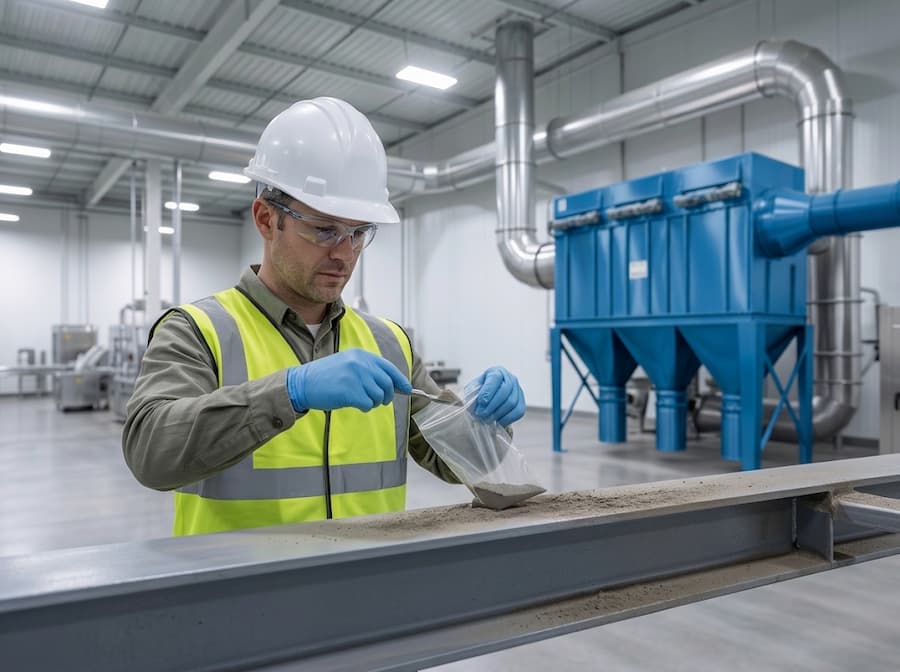
A Dust Hazard Analysis (DHA) is a systematic review of how combustible dust is created, handled and collected in your facility. It identifies where a fire, flash fire or explosion could start, how it could spread, and which safeguards are already in place.
A DHA usually combines an on-site assessment with laboratory testing of your dust. Each step builds on the one before — from a simple screening test to detailed explosibility data — so the final report reflects the actual hazard in your plant, not a worst-case guess.
The result is a written report with practical recommendations: process and housekeeping changes, and upgrades to your dust collection system such as explosion venting, isolation or suppression.
Combustible dust is a risk in almost every industry that cuts, grinds, sands, mixes, conveys or dries solid material. Too often, small fires are treated as routine — “the nature of the business” — until a flash fire or explosion causes serious injury, loss of life or a long shutdown.
Dust explosions are not inevitable. A Dust Hazard Analysis is the first step toward understanding your hazard and building a plan to control it.
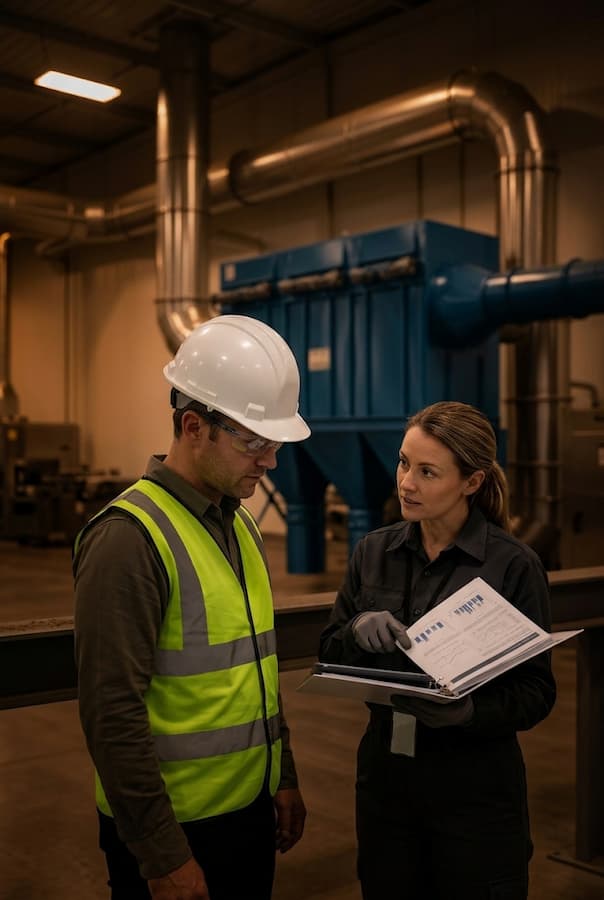
Under NFPA 660, any facility that manufactures, processes, blends, conveys, repackages, generates or handles combustible dusts or particulate solids must have a documented DHA. It isn’t a one-time exercise — these are the situations that call for a new or updated analysis.
If employees — or the local fire department — have been putting out small fires, smoldering deposits or dust collector fires, your facility is at higher risk of a larger event. Don’t wait for the next one.
New raw materials, modified equipment, added pickup points or changes to your dust collection system can all change your hazard. Significant changes should be reviewed before they go into service.
New processes should be assessed as part of their design. Existing DHAs must also be reviewed and updated at least every five years to stay current.
NFPA 660, Standard for Combustible Dusts and Particulate Solids (2025 edition) consolidates the former NFPA 652, 654, 655, 664, 61 and 484 into a single standard. It carries forward the DHA requirement first introduced in NFPA 652, which set September 7, 2020 as the deadline for existing facilities.
OSHA has no stand-alone combustible dust standard, but it addresses dust hazards through the General Duty Clause and its Combustible Dust National Emphasis Program, and it looks to NFPA standards as recognized good practice. A current, documented DHA is the clearest way to show you’ve identified and addressed your hazards.
Almost any organic material, and many metals, can form an explosible dust when finely divided. These are the industries and materials where combustible dust incidents occur most often.
For more background, see OSHA’s combustible dust resources.
A complete DHA moves from a site assessment to targeted lab testing. Each step answers a specific question, and together they give you the data you need to protect your people and your plant.
STEP 1
A structured review of how dust is generated, where it accumulates, how it’s collected and conveyed, and which safeguards are already in place — within the full context of your operations and equipment.
STEP 2
A simple, cost-effective lab test that answers the first question: is your dust explosible? A “Go” result means further testing is needed to size your protection.
STEP 3
Detailed tests for explosion severity (KSt, Pmax) and ignition sensitivity (MIE, MEC, MIT) — the data engineers need to specify venting, isolation and suppression.
BEFORE YOU TEST
Accurate results start with representative samples. Learn how to collect dust safely, how much the lab needs, and how to package and ship it.
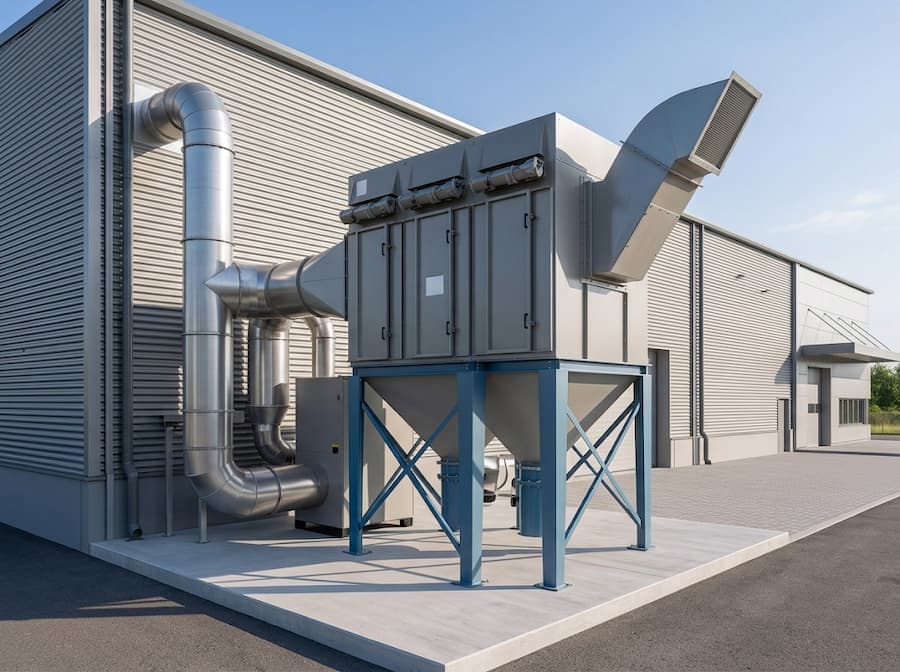
A DHA only makes your plant safer once its recommendations are put in place. That’s where Craig Equipment comes in. We supply, install and service the equipment that turns a DHA report into real protection:

Not sure whether your dust is combustible, or when your last DHA was done? Craig Equipment will help you find out and put the right protection in place.
Serving Kentucky and Southern Indiana.
Contact Us - We Can Help